
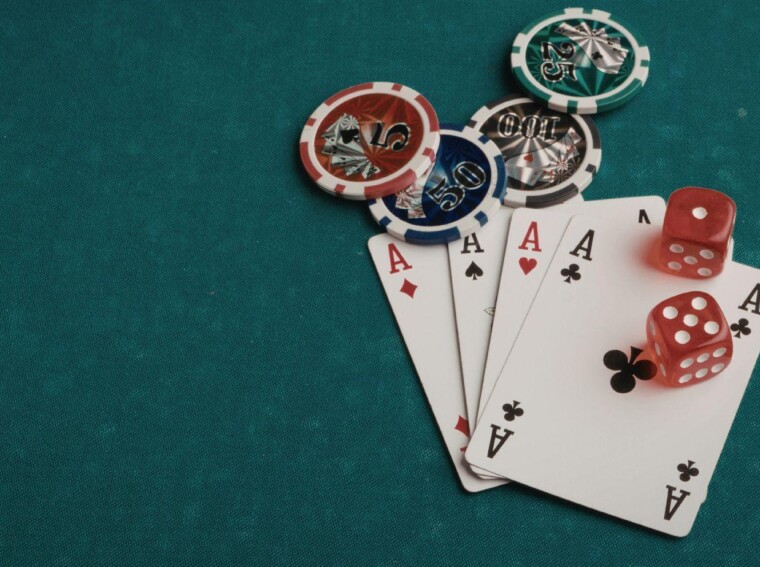
At first glance, Hearts online may look like a simple trick-taking card game, but that impression fades quickly once real strategy begins. Winning is rarely about grabbing the strongest cards. It is about timing, restraint, and reading the table accurately. The game rewards players who know when to hold back, when to offload risk, and when a single mistimed trick can change the whole round.
How does timing shape nearly every important decision in Hearts?
Timing shapes Hearts because strong play depends less on raw card strength than on when cards are released. A good player does not simply get rid of dangerous cards; they choose the precise moment to do so, balancing risk, score pressure, and the changing structure of the hand.
Hearts are built around delayed consequences. A high heart or the queen of spades is not always dangerous the moment you receive it. It becomes dangerous when the hand develops in a way that leaves you exposed. That is why timing matters so much. Players who dump risky cards too early may lose control of the hand. Players who wait too long may end up trapped. The skill lies in understanding the right window.
This is where Hearts becomes more strategic than it first appears. A player may intentionally lose a harmless trick early to preserve safer exits later. Another may hold a mid-range card because releasing it too soon would give an opponent an easy path to force points back onto the table. These are not flashy decisions, but they are decisive ones. Good timing in Hearts means thinking one or two phases ahead, not just one trick ahead.
That kind of attention to sequence mirrors a broader principle in cognitive performance. The American Psychological Association notes that switching between tasks can reduce productivity by as much as 40%, because each shift carries a cognitive cost. Hearts reward the opposite habit: sustained focus on one evolving system and its timing pressures.
Why is awareness just as important as card strength in Hearts?
Awareness is essential in Hearts because players must track what has been played, who is likely void in a suit, and where point cards may be headed. Strong cards help, but awareness determines whether those cards become tools for control or liabilities that return later.
A player with perfect awareness can often outperform a player with better cards. That is because Hearts is a game of information management. Every trick reveals something. When a player fails to follow suit, that matters. When someone repeatedly ducks control, that matters too. Over the course of a round, the table becomes a map of risks and likely intentions.
This is why experienced players spend so much energy watching patterns instead of staring only at their own hand. They notice who may be trying to avoid the lead, who looks ready to unload the queen of spades, and who may be setting up a run at shooting the moon. Awareness lets a player anticipate pressure before it arrives.
It also helps explain why Hearts feel mentally satisfying. The game depends on working memory, inhibition, and flexible adjustment. A 2023 study involving 181 older adults found that puzzle gamers showed stronger working-memory capacity and better resistance to distraction, with some measures resembling younger adults’ performance. That study was not about Hearts specifically, but it supports the broader point that structured games engaging memory and attention can align with useful cognitive demands.
How does Hearts punish impulsive play more than many other card games?
Hearts punish impulsive play because immediate relief often creates later exposure. A card that looks convenient to play now may remove future protection, surrender control, or hand another player the exact opening they need. Patience and disciplined sequencing usually outperform quick reactions.
Many card games let players recover from a sloppy move more easily than Hearts does. Hearts are harsher. One careless trick can hand over control of the round, expose the queen of spades, or make it impossible to avoid a cluster of hearts later. That is why disciplined players resist the urge to solve the current problem at the expense of the next one.
Impulsive play is especially dangerous when the round is still forming. Early choices determine who controls tempo, who is forced to lead awkward suits, and who can safely hide dangerous cards. A rushed decision might feel harmless, but the game often turns those decisions into delayed penalties.
This is one reason Hearts works so well as a strategy game online. The format strips away distractions and makes the consequences easier to study. You can see when patience would have preserved a safer route. You can also see how often players lose not because they lacked options, but because they used the wrong option too early. That kind of visible cause and effect is part of what makes the game instructive as well as competitive.
What makes the Queen of Spades such a test of awareness and control?
The Queen of Spades is a test of awareness because it forces players to judge timing, table position, and risk tolerance at once. It is not merely a bad card. It is a moving threat that exposes whether a player understands control, escape routes, and the intentions of others.
The queen of spades matters because it concentrates the game’s strategy into one card. Managing it well requires more than trying to get rid of it. A player must understand when it can be safely passed, when it needs to be held, and when another player is likely preparing to force it back into circulation.
That pressure changes how players view the whole hand. Spades become charged with extra meaning. Control cards become more dangerous. Void suits become more revealing. The queen turns awareness into survival. It also introduces a layer of psychological reading, because experienced players are often watching for signs that someone is desperate to unload it.
In practical terms, the queen teaches players to think in terms of pressure rather than value. A card can be strategically toxic even if it wins only one trick. That is a useful lesson in any decision-making setting: not all risks look large at first, but some have outsized consequences if managed poorly.
Why does Hearts online appeal to players who want focused, thoughtful competition?
Hearts online appeals to thoughtful players because it offers competition without chaos. The game rewards observation, memory, and careful release of pressure rather than speed or noise. For people who want a card game built on judgment, Hearts offers a more disciplined form of challenge.
Part of the appeal is that Hearts asks for concentration without requiring complexity for its own sake. The rules are straightforward, but the decisions are not. Each round becomes a test of whether the player can stay alert, read the table, and avoid reacting too quickly.
That kind of game can feel especially appealing in a world where attention is often strained. The CDC says adults should get at least 7 hours of sleep each day, and adults reporting less than 7 hours are considered to be getting insufficient sleep. Poor sleep is associated with reduced performance and weaker daily functioning, which helps explain why games built on clear, contained attention can feel more satisfying than scattered digital habits.
Hearts last because it respects the player’s judgment. It does not reward noise, speed, or spectacle. It rewards timing and awareness. And in strategic card games, those two qualities are often what separate casual participation from real skill.