
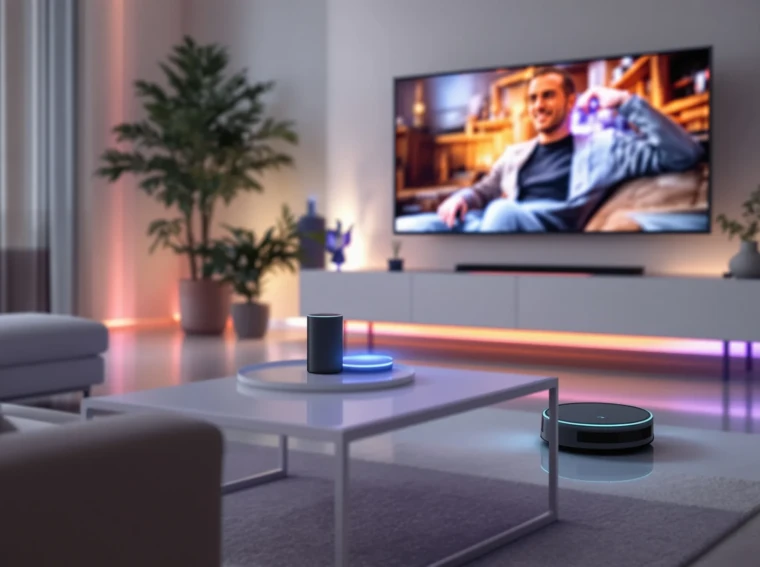
Welcome to the Smart Home Revolution
Picture this: You walk through your front door, arms full of groceries, and the lights flick on, your favorite playlist starts, and the thermostat adjusts to your perfect temperature. This isn’t a scene from a sci-fi movie—it’s the daily reality for people who’ve embraced smart home gadgets and home automation. If you’ve ever fumbled for keys in the dark or wondered if you left the oven on, you’re not alone. Smart home devices are changing the way we live, making homes safer, more comfortable, and—let’s be honest—a lot more fun.
Why Smart Home Gadgets Matter
Let’s break it down. Smart home technology isn’t just about showing off to your friends (though, let’s admit, it’s a nice perk). It’s about solving real problems. Maybe you want to save money on energy bills, keep your family safe, or just make life a little easier. The best smart home products do all that and more. They’re not just gadgets—they’re solutions to everyday headaches.
Who Should Consider Smart Home Upgrades?
If you love convenience, hate wasting time, or want peace of mind, smart home automation is for you. But it’s not for everyone. If you’re allergic to apps or dread the idea of setting up new tech, you might want to start small. The good news? Many smart home devices are plug-and-play, and you don’t need to be a tech wizard to get started.
What Makes a Home “Smart”?
Here’s the part nobody tells you: A smart home isn’t about having the fanciest gadgets. It’s about how those gadgets work together. Home automation systems connect your devices—lights, locks, cameras, speakers—so they talk to each other and to you. The magic happens when your smart home setup fits your life, not the other way around.
Core Smart Home Devices
- Smart Speakers: Think Amazon Echo or Google Nest. They’re the brains of your smart home, letting you control everything with your voice.
- Smart Lights: Set the mood, save energy, and never stub your toe in the dark again.
- Smart Thermostats: Like the Nest Learning Thermostat, these learn your habits and help you save on heating and cooling.
- Smart Locks: Forget keys. Use your phone or a code to get in—and see who’s coming and going.
- Security Cameras: Keep an eye on things from anywhere. Some even recognize faces or alert you to unusual activity.
How to Build Your Smart Home Setup
Ready to get started? Here’s how:
- Pick Your Platform: Most people choose between Amazon Alexa, Google Assistant, or Apple HomeKit. Each has its strengths, so pick the one that fits your devices and lifestyle.
- Start Small: Don’t buy everything at once. Begin with one or two smart home gadgets—maybe a smart speaker and a few lights. Get comfortable, then add more as you go.
- Think Integration: The best smart home products work together. Check compatibility before you buy. Look for “Works with Alexa” or “Works with Google Assistant” badges.
- Automate Routines: Set up routines like “Good Morning” to turn on lights, start the coffee, and read the news—all with one command.
Common Mistakes and Lessons Learned
Here’s a confession: I once bought a smart lock that didn’t fit my door. I spent an hour trying to force it before realizing I needed a different model. Lesson learned—always check compatibility and measurements. Another mistake? Ignoring Wi-Fi strength. Smart home devices need a strong, stable connection. If your Wi-Fi is spotty, invest in a mesh system before adding more gadgets.
Best Smart Home Products for Every Room
Let’s get specific. Here are some smart home solutions that make a real difference:
- Living Room: Smart speakers, streaming devices, and smart plugs for lamps or fans.
- Kitchen: Smart displays for recipes, smart coffee makers, and leak detectors under the sink.
- Bedroom: Smart bulbs with dimming features, white noise machines, and smart blinds for better sleep.
- Entryway: Video doorbells, smart locks, and motion-activated lights.
Each upgrade adds comfort, security, or a little bit of magic to your daily routine.
Smart Home Automation: Beyond Convenience
Here’s why smart home automation is more than a luxury. It can help people with disabilities live more independently. It can keep seniors safe with fall detection and emergency alerts. It can even help you save money—Energy Star reports that smart thermostats can cut heating and cooling costs by up to 10% a year. That’s not just cool; it’s practical.
Privacy and Security: What You Need to Know
If you’re worried about privacy, you’re not alone. Smart home technology collects data, and it’s important to protect it. Use strong passwords, enable two-factor authentication, and keep your devices updated. Only buy from reputable brands, and read privacy policies before connecting new devices.
Smart Home Upgrades: What’s Next?
Smart home solutions keep getting better. We’re seeing more devices that use artificial intelligence to learn your habits and anticipate your needs. Imagine a home that knows when you’re stressed and plays calming music, or one that orders groceries when you’re running low. The future of home automation is about making life easier, safer, and more personal.
Final Thoughts: Is a Smart Home Right for You?
If you crave convenience, love gadgets, or want to save time and money, smart home upgrades are worth exploring. But don’t feel pressured to automate everything at once. Start with what matters most to you. Maybe it’s security, comfort, or just the joy of saying, “Alexa, turn on the lights,” and watching it happen. The best smart home setup is the one that fits your life, quirks and all.
Ready to take the first step? Pick one smart home device and see how it changes your day. You might be surprised at how quickly your house starts to feel like home—only smarter.