
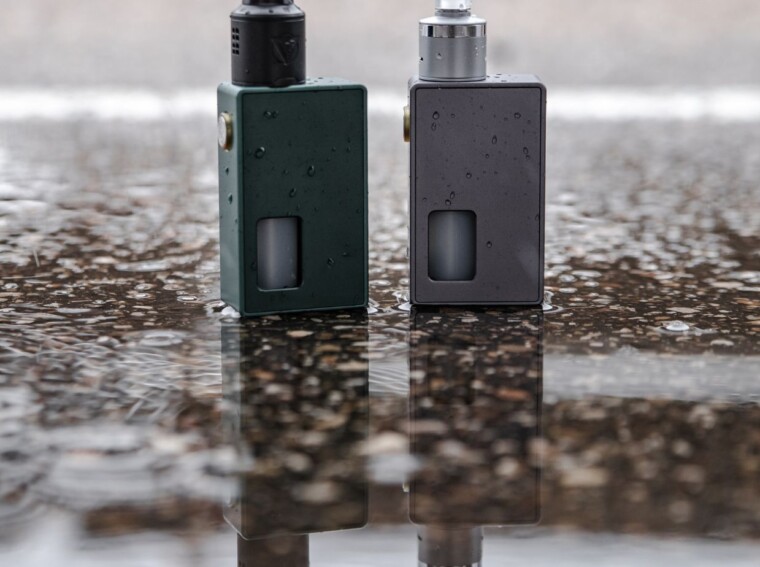
Many people wonder if vapes without nicotine can feel as good as regular vapes that contain it. The answer depends on what someone looks for in their experience. Non-nicotine vapes provide similar sensory elements like flavor and vapor production, but they lack the throat hit and stimulant effects that nicotine delivers, which means satisfaction varies based on personal needs and goals.
People choose nicotine-free options for different reasons. Some want to break free from addiction, while others simply enjoy the act of vaping and the variety of flavors available. Former smokers who used vapes to quit often step down their nicotine levels over time until they reach zero.
This article explores how the two types of vapes compare in terms of satisfaction. It also looks at the unique advantages and drawbacks that come with nicotine-free options. Readers will gain a clear understanding of what to expect from each type and how to decide which fits their situation best.
Comparing Satisfaction from Non-Nicotine and Regular Vapes
Satisfaction levels between non-nicotine and regular vapes differ based on how users measure their experience, the physical effects of nicotine, and individual expectations. These factors shape whether someone finds nicotine-free options as rewarding as traditional alternatives.
How Satisfaction Is Measured in Vaping
Vapers evaluate satisfaction through multiple factors beyond nicotine delivery. Flavor quality stands as a primary metric, with users often ranking their experience based on taste intensity and variety. Throat hit serves as another key indicator, as many vapers seek that slight sensation in the back of the throat that mimics cigarette smoking.
Cloud production also plays a role in satisfaction measurement. Some users find larger vapor clouds more satisfying, regardless of nicotine content. The tactile experience matters too, including the weight of the device, the draw resistance, and the overall feel during use.
Research shows that daily users of vaping products report different satisfaction levels compared to occasional users. Frequency of use directly correlates with perceived satisfaction ratings. Those who use chargeable pod system vapes, or other devices, regularly develop specific preferences that shape their satisfaction standards.
Role of Nicotine in the Vaping Experience
Nicotine creates both physical and psychological effects that influence satisfaction. The substance triggers dopamine release in the brain, which produces feelings of pleasure and reward. This chemical response explains why many former smokers initially prefer nicotine-containing vapes.
Regular vapes deliver nicotine in varying strengths, from 3mg to 50mg or higher in some products. This range allows users to control their intake and match their previous cigarette consumption. The absence of nicotine removes this stimulant effect entirely, which changes the experience for users accustomed to its presence.

Non-nicotine vapes eliminate the addictive component but maintain other sensory aspects. Users report that nicotine-free options provide the hand-to-mouth ritual and flavor experience without the chemical stimulation. However, those who crave nicotine find these alternatives fail to meet their specific needs. The lack of nicotine means no throat hit intensity from the substance itself, though other e-liquid components can create similar sensations.
User Preferences and Psychological Factors
Individual goals significantly affect satisfaction with non-nicotine vapes. Former smokers who aim to quit nicotine completely often rate nicotine-free options as satisfactory because these products align with their objectives. Social vapers who never smoked cigarettes frequently report high satisfaction with non-nicotine alternatives since they seek only the sensory experience.
Habit and routine influence perceived satisfaction levels. The behavioral pattern of taking breaks to vape or the social aspect of vaping with friends can provide satisfaction independent of nicotine content. Some users find the act itself rewarding, which makes non-nicotine vapes sufficient for their needs.
Expectations shape outcomes considerably. Users who switch to nicotine-free vapes while still craving nicotine typically report lower satisfaction. In contrast, those who approach non-nicotine options without expecting nicotine effects often express contentment with their choice. Psychological dependency on the ritual rather than the substance leads to higher satisfaction ratings for nicotine-free alternatives among certain user groups.
Alternative Benefits and Limitations of Non-Nicotine Vapes
Non-nicotine vapes offer distinct advantages like diverse flavor options and safer consumption for people who want to avoid addiction. However, they also come with limitations regarding health effects and the level of satisfaction users can expect.
Flavor Variety and Sensory Appeal
Non-nicotine vapes provide access to a wide range of flavors without the overpowering taste of nicotine. Users can enjoy fruit, dessert, mint, and beverage-inspired options that stand out more clearly on the palate. The absence of nicotine allows the subtle notes in these flavors to shine through more effectively.
The sensory experience extends beyond just taste. Users still get the physical sensation of inhaling vapor and the hand-to-mouth action that mimics traditional habits. The vapor production remains similar to nicotine-based products, which appeals to people who enjoy the visual aspect.
However, flavor alone may not satisfy former smokers or vapers who associate satisfaction with the throat hit that nicotine provides. The mildness of non-nicotine vapor can feel less impactful. Some users report that they need to vape more frequently to feel content with their experience.
Potential Health Implications
Non-nicotine vapes eliminate the risks associated with nicotine addiction and related cardiovascular effects. Users avoid the increased heart rate, elevated blood pressure, and dependency that nicotine creates. This makes them a better choice for people concerned about addictive substances.
Despite the lack of nicotine, these devices still deliver other chemicals into the lungs. The base liquids typically contain propylene glycol and vegetable glycerin, which can irritate airways in some users. Long-term effects of inhaling these substances remain under study.
The vapor can also affect oral health and throat comfort. Some people experience dry mouth, throat irritation, or coughing. These effects tend to be less severe than those from nicotine products but still occur in certain individuals.
Suitability for Those Reducing Nicotine Intake
People who want to quit nicotine find non-nicotine vapes useful as a transition tool. These devices let users maintain the behavioral habits of vaping while removing the addictive component. This approach helps address both physical routines and psychological patterns.
Former smokers can gradually step down from nicotine products to zero-nicotine options. This method preserves the ritual aspects that make quitting difficult for many people. The familiar sensations provide comfort during the adjustment period.
However, non-nicotine vapes may not work for everyone in a cessation program. Some individuals need the nicotine element as part of their reduction strategy. Others find that continued vaping, even without nicotine, keeps them tied to old habits rather than breaking free completely.
Conclusion
Non-nicotine vapes can provide a similar sensory experience to regular vapes, but they won’t deliver the same satisfaction for everyone. The throat hit, flavor variety, and physical ritual remain present without nicotine. However, users who crave the stimulant effects or the buzz from nicotine will likely find these products less satisfying.
The answer depends on why someone vapes in the first place. Former smokers who want to break free from nicotine addiction may find non-nicotine options help them maintain the habit while they reduce dependence. People who vape primarily for flavors and the social aspect can enjoy these products without missing nicotine at all.