
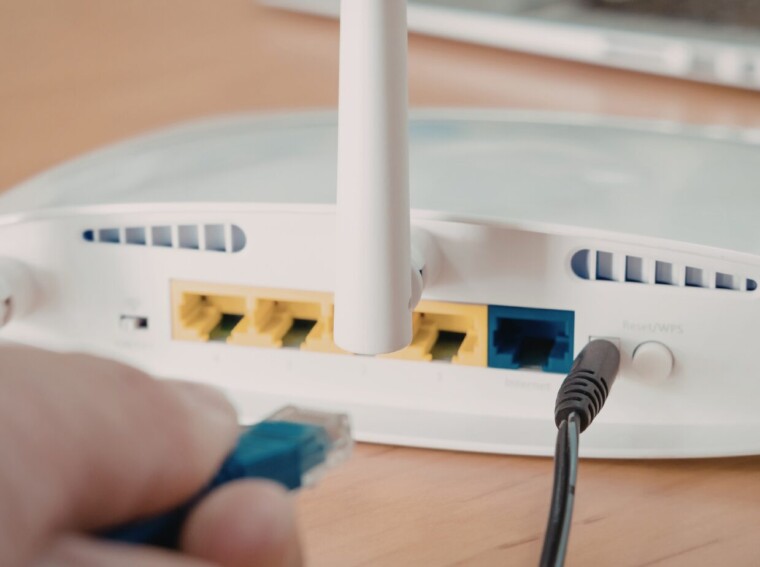
Billions of people use the internet for work and communication and gaming and entertainment activities. In 2025, 74% of the world’s population is online, compared with 71% a year earlier.
Users experience lag problems during multiple activities, which include video clubbing and cloud applications; therefore, we need to consider gaming because ping has become essential for online gamers. High latency creates delays in gameplay improvement while it produces lag and a worse user experience.
Networking solutions enable users to handle extensive network operations with complete assurance. Effective network optimization starts with thorough research to select the most suitable beginning point, which will enable long-term network performance and capacity development.
Given the expanding number of connected devices, ping should be put on the front line when it comes to reliable, smooth, and responsive connections.
Find out how to reduce ping for smoother gameplay and other online activities.
Understanding Ping and Network Latency
Ping is a measure of latency, which indicates the time taken by data to travel between your device and a server and back again, often measured in milliseconds. Lower ping times indicate faster response times, but higher ones cause delays noticeable to the user. The establishment of network latency is making a big impact on various conditions such as sufficient computer hardware, networking environment, connected medium, and traffic congestion.
Ping directly affects the operational end-of-service in real-time applications in both home and business settings, including online meetings, VoIP calling, video streaming, and multiplayer gaming. The attempt to reduce latency would demand a lot of right settings, all that with a very reliable networking kit.
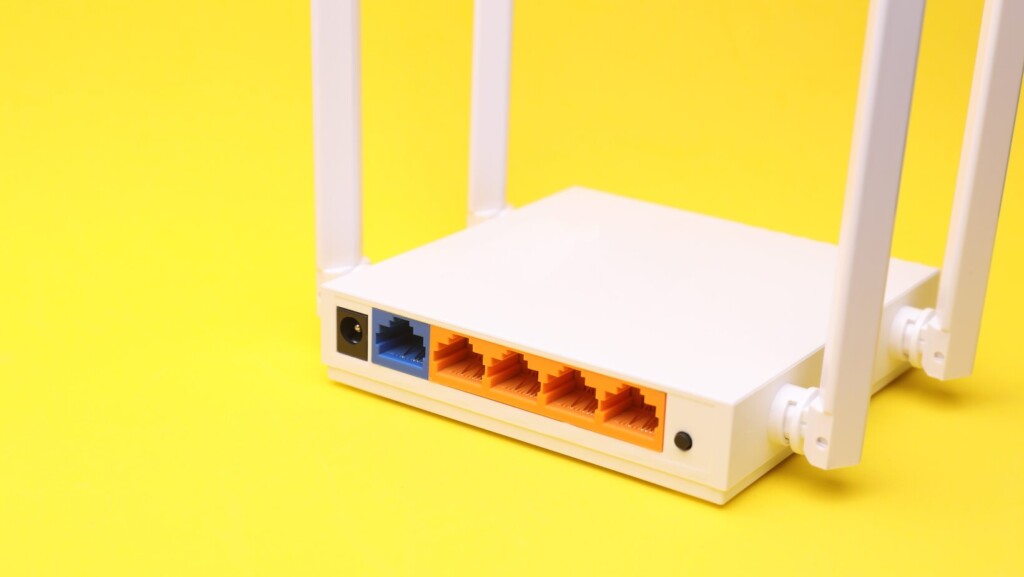
Why Low Ping Matters
Digital communications and operational flow go so well together because low ping just keeps intruding on smoothness. On the business front, high latency can interrupt virtual meetings, slow workflows on the cloud, and compromise general productivity. Delays on communication platforms can result in inefficiency and bad collaboration.
At home, increased latency can cause lag during online gaming, buffering while streaming and delayed responses by smart home gadgets. As the network is pushed to its limits with old equipment and misconfigurations, it affects the poor real-time data distribution and inconsistent network performance.
Key Factors That Contribute to High Ping
Network Congestion
If there are too many devices accessing the network at the same time, it can overload the bandwidth and increase latency. It commonly happens during working hours.
Hardware Limitations
Old routers, modems, and NICs support the current standards very poorly, causing slow data processing and higher ping.
Wireless Interference
Wi-Fi networks are susceptible to interference from walls, appliances, and other networks close by, which increases latency compared to wired connections.
Server Distance
Another factor determining ping is the distance your device has to cover to reach the server. Minimization of local area network issues may in turn minimalize ping delay, which is not under your control.
When to Consider a Real-Time Ping Reduction
Home Networks
For most online work, such as gaming, video calls, and online home automation, it is a must to aim for low ping. Some effective methods, such as Wi-Fi setting adjustment and proper router placement, can help lower ping so you can enjoy your day-to-day activities better.
Business Networks
Low ping for businesses is crucial in the use of VoIP systems, cloud platforms, or remote collaboration tools. Lowering ping consequently augments communication quality and further guarantees team members’ and sections’ smoother operations.
Network Settings You Can Adjust to Reduce Ping
To decrease your ping, you should start off with the network configurations; another basic step is to enable QoS to give priority to all the traffic on your network that is important (e.g., video conferencing, games). Updating the firmware on your router lets you keep up with any improvements, which should improve your performance and enhance security without delay.
It’s worth checking Wi-Fi channels with the least congestion, the 5GHz band being fortified for more improvement, along with a glut of background operations. Performance improvement paths provide effective data transit across networks.
Hardware Fixes That Improve Latency
Better networking hardware can also help to reduce ping. Advanced routers that have the capability to handle traffic more efficiently when many devices are involved. Wired connections instead of Wi-Fi can cut interference and give nice performance with low latency.
Increasing your Wi-Fi system with multiple access points or mesh systems will augment the coverage and give prevention against signal loss in a large enclosed space. Very good-quality network cable selection and modem compatibility will bring elegance to much smoother network transmissions.
Best Practices for Ongoing Performance
Proper installation and regular maintenance are essential for keeping ping low. Routers and access points should be placed centrally and away from interference sources. Monitoring network performance helps identify congestion or hardware issues early.
Routine firmware updates, periodic network audits, and proactive hardware upgrades ensure long-term stability and consistent responsiveness as network demands evolve.
You can achieve faster and more reliable connections through all your devices by understanding latency mechanisms and implementing appropriate configuration adjustments and hardware upgrades.