
THC-A has gained attention for its connection to THC, the compound responsible for cannabis’s well-known effects. Yet, despite their close relationship, these two compounds behave very differently inside the body. Many people wonder why one leads to a high while the other does not. THC-A is often described as non-intoxicating because it does not interact with the brain’s receptors in the same way as THC.
This difference in how the body processes each compound helps explain their contrasting effects. The article explores how chemical structure, heat exposure, and receptor activity all play a role in keeping THC-A non-intoxicating while still being an active part of the cannabis plant.
THC-A lacks psychoactive effects because it does not activate CB1 receptors in the brain
THC-A, or tetrahydrocannabinolic acid, is the natural form of THC found in raw cannabis. It remains non-intoxicating because its chemical shape prevents it from attaching strongly to CB1 receptors in the brain. These receptors control the psychoactive response that causes the “high” linked to THC.
As a result, THC-A does not trigger the same brain activity that THC does after exposure to heat. Instead, it stays in its acidic form and produces no noticeable mind-altering effects. Scientists describe this as poor receptor binding rather than total inactivity, which explains its gentle, calm presence in the body.
Those learning about cannabinoid options or exploring where to purchase THCa online often look for safe, non-psychoactive choices. THC-A appeals to people who want to experience the plant’s raw properties without intoxication. It serves as a useful example of how chemical structure directly shapes human response.
Heat exposure converts THC-A into THC, the compound responsible for intoxication
THC-A exists in raw cannabis as a non-intoxicating acid form. Its molecular structure prevents it from binding effectively to receptors in the brain. Therefore, users do not feel the typical effects connected with cannabis without heat exposure.
Through a process called decarboxylation, heat changes THC-A into THC. This reaction removes a carboxyl group from the molecule and releases carbon dioxide. As a result, the compound’s chemical structure shifts, creating THC, which can interact with the body’s endocannabinoid system.
Different temperatures produce different levels of conversion. Moderate heat allows most of the THC-A to change while keeping other cannabinoids intact. However, high heat may speed up the reaction but can also degrade THC into other compounds, reducing potency.
Smoking, vaping, or baking cannabis all trigger this transformation. Each method delivers enough heat to initiate the reaction that turns inactive THC-A into active THC.
THC-A’s unique chemical structure prevents it from binding strongly to the nervous system’s receptors
THC-A has a larger and more complex structure than THC. It contains a carboxylic acid group that makes the molecule bulkier and more polar. This added group prevents it from fitting neatly into the CB1 receptors found in the brain and central nervous system.
Because THC-A does not bind well to CB1 receptors, it does not activate them as THC does. CB1 activation normally produces the psychoactive effects associated with cannabis use. Without that activation, THC-A stays non-intoxicating even though it shares a similar base structure with THC.
Heat or prolonged storage can remove the carboxylic acid group through a process called decarboxylation. At that point, THC-A converts into THC, which fits more easily into the receptor sites. This conversion explains why raw cannabis containing THC-A does not cause a high, while heated or aged cannabis often does.
It primarily interacts with non-CB1 pathways, leading to health benefits without causing a high
THC-A does not bind strongly to CB1 receptors in the brain, which are the same receptors that produce THC’s intoxicating effects. Instead, it influences other receptor systems and signaling channels. This difference explains why THC-A can affect the body without triggering a high.
Researchers have found that THC-A may act through enzymes and receptor types involved in inflammation and cell protection. These non-CB1 pathways help regulate processes such as pain response, appetite, and mood balance. As a result, THC-A may support wellness while leaving cognitive function largely unchanged.
Because it bypasses the main psychoactive route, THC-A draws interest as a potential therapeutic compound. It allows the body to benefit from cannabis-derived molecules while avoiding mental impairment. This pathway-based separation makes THC-A distinct from THC in both effect and application.
THC-A is found in raw cannabis and remains non-intoxicating until decarboxylated by heat
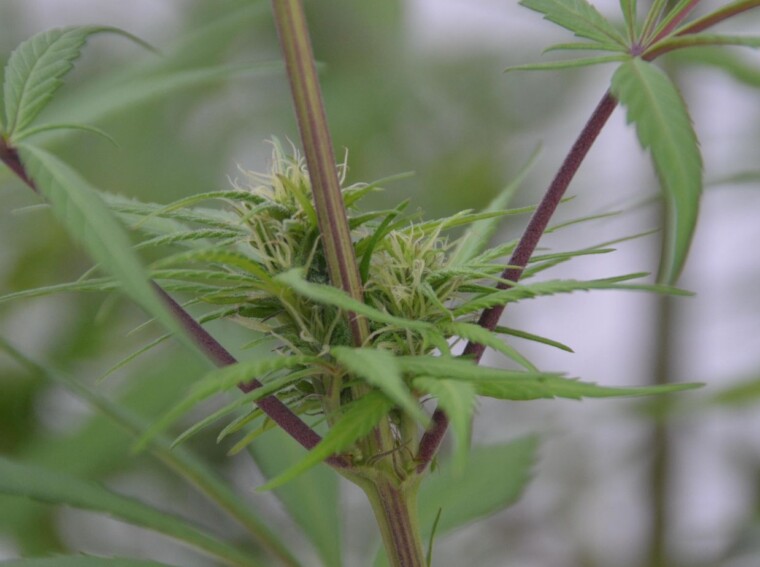
THC-A, short for tetrahydrocannabinolic acid, develops naturally in fresh cannabis plants. It forms in the plant’s trichomes, which are tiny glands on the flowers and leaves. At this stage, the compound has no intoxicating effect because its molecular structure prevents it from binding effectively to the brain’s receptors.
Heat changes that structure through a process called decarboxylation. As cannabis is heated by smoking, vaping, or cooking, THC-A loses a carbon dioxide group and turns into THC. This new form can interact with receptors in the brain, which produces the well-known psychoactive effects.
People who consume raw cannabis, such as in juices or smoothies, experience no intoxicating effects. The heat needed for decarboxylation never occurs, so THC-A stays in its inactive state. This natural distinction between raw and heated cannabis explains why THC-A is viewed as non-intoxicating before exposure to heat.
Conclusion
THC-A stays non-intoxicating because it exists in an acid form that does not bind well with the brain receptors responsible for the “high” linked to THC. Only heat triggers its conversion into THC through a process called decarboxylation. This chemical change explains why raw cannabis containing THC-A does not create psychoactive effects.
Researchers note that THC-A may still interact with the body, but in different ways than THC. It appears to affect other pathways that influence balance, mood, or inflammation without causing impairment.
Therefore, THC-A attracts attention for its potential uses that do not involve intoxication. Its distinction from THC helps people understand how preparation and use determine the effects of cannabis products.