
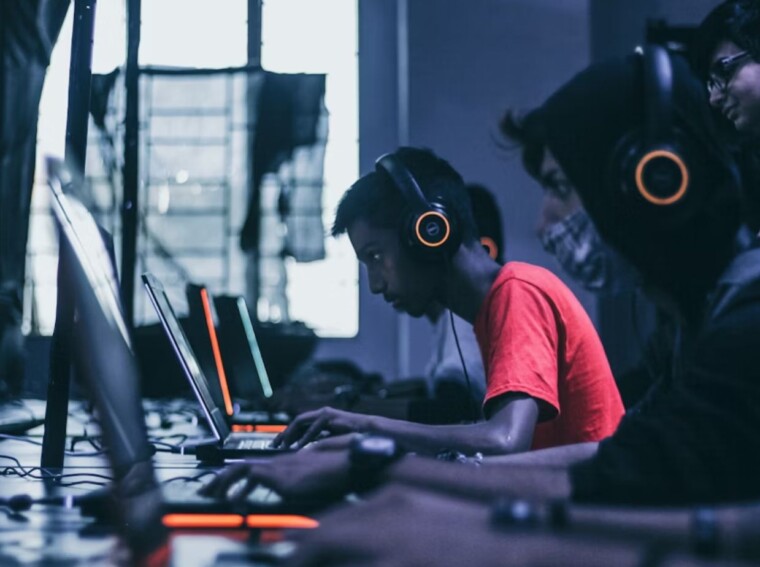
Want to know how to keep your kids safe while gaming online?
The online gaming industry is massive. According to new reports, the market size is expected to hit $29.48 billion by 2025. With millions of players logging on daily – including 75% of parents worried about their kids accessing inappropriate content – the need for safety protocols has never been greater.
The problem?
Gaming companies aren’t doing enough to keep kids safe. Families are paying the price in the safety and wellbeing of their children.
The Roblox abuse lawsuit pouring into courts across America proves online gaming safety and lawsuits are now forever linked. Parents entrusted these platforms with their children. Many are now seeking legal remedies against the companies who they believe could have done more.
In this article, you’ll learn what safety protocols should be in place, the legal implications gaming companies face when they don’t, and the best practices every parent should be aware of.
Let’s jump right in!
You’ll discover:
- The Current State of Online Gaming Safety
- Legal Implications Gaming Companies Face
- Essential Safety Protocols That Actually Work
- Best Practices for Parents and Players
The Current State of Online Gaming Safety
Online gaming safety isn’t just about filtering profanity anymore.
It’s about protecting kids from real harm.
The statistics are deeply concerning. Case reports show exploitation instances skyrocketing from 675 in 2019 to more than 24,000 by 2024 on major gaming platforms. This is not a trend getting better. It’s getting exponentially worse.
On paper, gaming companies love to tout their safety features…
In reality, investigative reports paint a different picture. Undercover journalists easily created fake accounts for children as young as five years old. They accessed sexually explicit content with very little stopping them.
Want to know the worst part?
Platforms often don’t even verify the age of their users. Adults posing as children can sign up at will and target vulnerable young players for exploitation. The whisper features, private chat functions, and direct messaging that make games “social” also make them incredibly dangerous.
Legal Implications Gaming Companies Face
Lawsuits are flooding in and gaming companies are getting scared.
Platforms like Roblox, Microsoft, and Discord are now facing dozens of lawsuits from families whose children were groomed, exploited, and abused on their platforms. These aren’t nuisance claims either – these are serious legal challenges that have the potential to remake the entire industry.
Here’s what’s going down:
State attorneys general from Louisiana, Kentucky, and Florida to name a few have either filed lawsuits or issued subpoenas against these companies demanding answers about safety protocols. A California judge recently issued a major ruling denying Roblox’s motion to dismiss a series of alleged abuse cases that will now remain in public view and in the courts.
Allegations in these lawsuits typically include:
- Failing to implement adequate safety measures
- Misleading parents about platform safety
- Prioritizing profits over child protection
- Designing addictive features targeting children
- Neglecting to prevent known predators from accessing minors’ accounts
Legal theories include negligence/failure to warn, violations of consumer protection laws, and even personal liability for executives in certain cases. Courts are increasingly willing to look beyond the blanket immunity of Section 230 for these companies when platforms allegedly designed or maintained features that facilitated harm to children.
The financial stakes are significant. Companies could be on the hook for millions or even billions in damages if these cases are successful. More importantly, these lawsuits risk forcing the companies to fundamentally change how they do business.
Essential Safety Protocols That Actually Work
So what safety protocols should be in place for gaming platforms?
Let me break down exactly what is needed that could prevent most of these tragedies:
Age Verification That Actually Verifies
Asking someone their birthday is not age verification. That’s a joke.
Real age verification must require at a minimum:
- Government ID checks
- Video selfie verification
- Regular re-verification
- Cross-platform verification systems
Platforms are just now rolling out AI-based age verification systems. These are being met with valid concerns about whether they are any improvement on current measures or just reaction to legal pressure.
Communication Controls
Communication controls must be robust including:
- Limited or no chat for young users under age 13 without parental permission
- Filtered chat systems with advanced filters for personal information sharing
- Moderated communications with active human moderators reviewing flagged conversations
- Restricted “friends” systems only allowing pre-approved real-life connections
The goal is not to eliminate all communications. Kids should be able to chat with real friends. But gaming platforms must prevent strangers from being able to initiate contact with children.
Content Moderation
User-generated content platforms have unique challenges. But that’s not an excuse for failure.
Effective content moderation requires:
- Pre-publication review of all new games/content
- Rapid response systems for flagged content
- Proactive AI scanning for inappropriate material
- Transparent policies with clear consequences for violations
- Regular audits of most-played/most-popular games
Games with titles referencing sex, assault, or exploitation should not survive on these platforms for months before being removed. They shouldn’t exist at all.
Parental Controls and Transparency
Parents need real tools including:
- Detailed activity reports
- Spending controls/alerts
- Time limit settings
- Content restriction options
- Easy access safety settings
Controls only work when parents know they exist. Platforms must educate parents rather than burying the controls in complex menus.
Best Practices for Parents and Players
Parents and players are not absolved from online safety either.
Parents need to do their part as well.
Here are the most important steps parents can take:
Set Up Parental Controls Immediately
Enable parental controls on any gaming accounts immediately upon sign-up. Review the settings regularly as companies update their features.

Every major console, PC platform, and mobile device has parental controls. Use every option available to you.
Play Together and Stay Informed
Ask your kids to show you what they are playing. Watch and play with them if possible. Don’t just trust them to be safe by themselves. Stay involved and get firsthand knowledge of the games and community.
Look up gameplay videos on YouTube and read reviews before your child downloads any game. Understand the age ratings and pay attention to what other parents are saying.
Have Open Conversations About Online Safety
Kids need to understand:
- Never share personal information online
- Real friends don’t pressure you to do things that make you uncomfortable
- Adults pretending to be kids online are dangerous
- They won’t get in trouble for something someone else does to them
Create an environment where kids know they can report concerns without fear of punishment. The most important safety protocol is a child who trusts their parents enough to come forward.
Know the Warning Signs
Warning signs to watch for include:
- Secretive gaming behavior
- Emotional distress after gaming sessions
- Excessive time spent playing
- Withdrawal from real-life activities
- Unexplained gifts or in-game items
These may indicate grooming, exploitation, or unhealthy gaming habits.
Document Everything
Document all concerning incidents immediately. Screenshots, saved conversations, and reports filed with both the platform and, when necessary, law enforcement.
Documentation can be critical later if you need to pursue legal remedies.
Conclusion: Time For Industry-Wide Change
Online gaming safety and lawsuits are forcing the industry to change long overdue.
The current state of gaming platforms is unacceptable. Far too many children have been put in danger and hurt because gaming companies have prioritized growth and profits over basic safety protocols.
Legal pressure is working. Gaming companies are rolling out new safety features, hiring more moderators, and taking abuse reports more seriously. But it shouldn’t take lawsuits to prioritize children.
Parents have 3 responsibilities:
- Demand better safety protocols from companies
- Implement all protections available to their own children
- Stay informed and know what games and platforms their kids are using
Gaming isn’t going away. The industry will only continue to grow. The only question is whether it grows safely or not.
By understanding the legal implications, gaming companies must implement proper safety protocols while parents and players should all follow best practices to make online gaming safer for everyone. But that requires action from all sides working together.
The stakes couldn’t be higher. We are talking about protecting kids from real harm in spaces they should be having fun.
Time to demand better.